





ESCC 3201
vs MIL-STD-981
Navigating Space-Grade Inductor Qualification: A technical comparison of ESCC 3201 and MIL-STD-981
For design engineers in the space industry, component selection is a mission-critical task. The reliability of every part, including passive components like inductors, is paramount to the success of satellites, launch vehicles, and deep-space probes. Qualification and screening of these components are governed by rigorous standards, primarily the European Space Components Coordination (ESCC) standards and the U.S. Military Standards (MIL-STD).
This technical brief provides an objective comparison between the qualification frameworks for space-grade inductors, specifically ESCC 3201 (and its detail specifications) and MIL-STD-981. Understanding the nuanced differences in their testing philosophies and specific requirements is essential for ensuring program compliance and optimal component performance.

1. Qualification Testing: A Comparative Analysis
The comparisons in this document are framed using established, space-qualified inductor families.
These components, qualified under the ESCC system, also serve as a baseline for comparison against MIL-STD-981 requirements.
These components, qualified under the ESCC system, also serve as a baseline for comparison against MIL-STD-981 requirements.
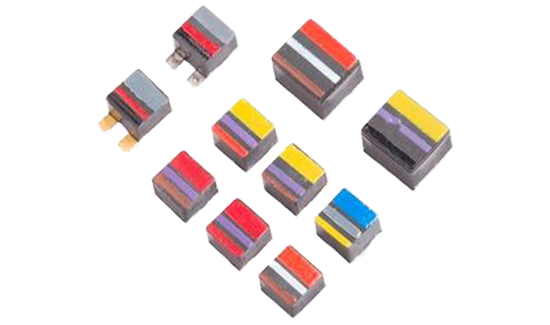
MPCI Series (Chip Inductors):
These Surface-Mount Device (SMD) chip inductors are qualified to ESCC 3201/008.
They are component types often specified against the requirements of MIL-STD-981 Family 52.
These Surface-Mount Device (SMD) chip inductors are qualified to ESCC 3201/008.
They are component types often specified against the requirements of MIL-STD-981 Family 52.
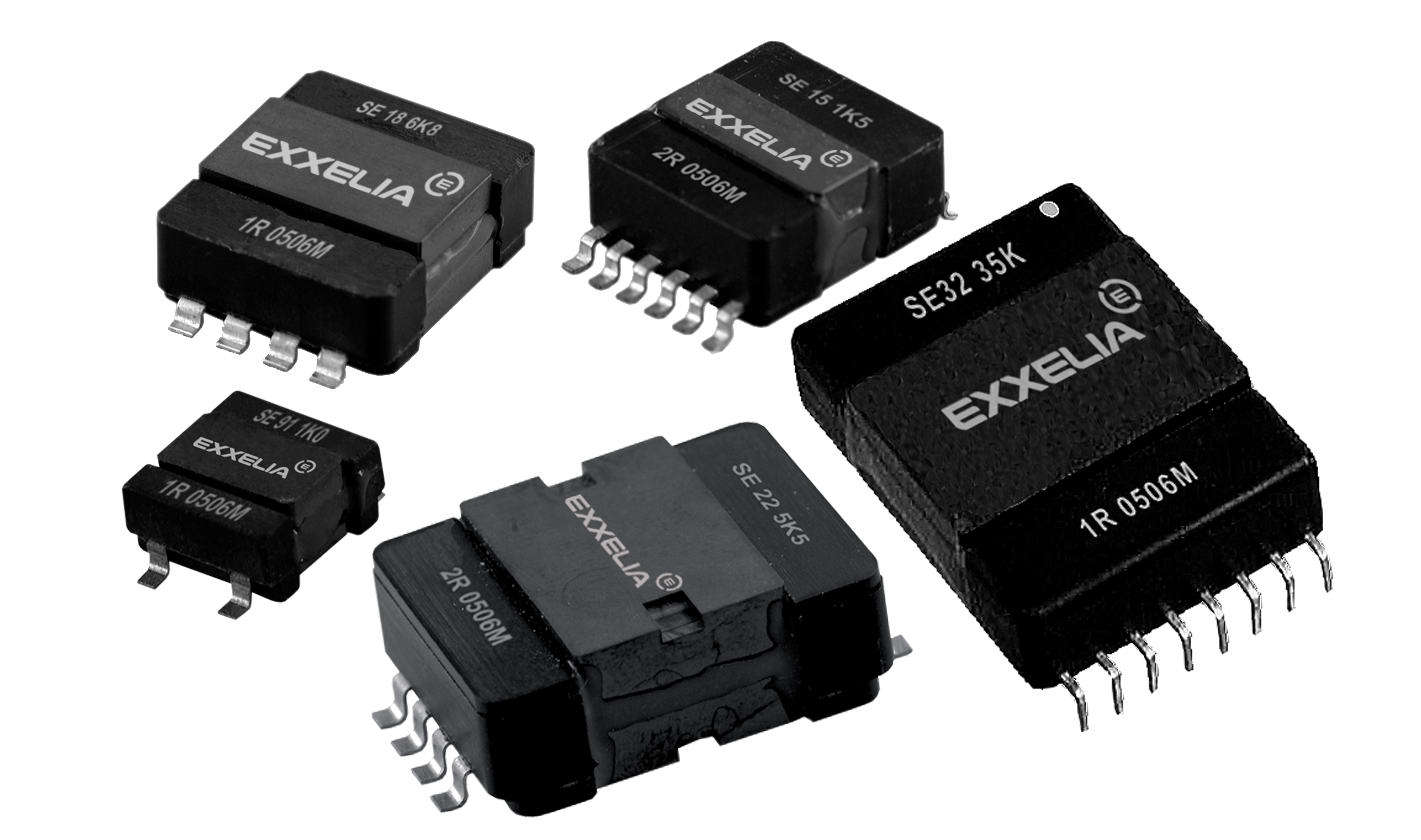
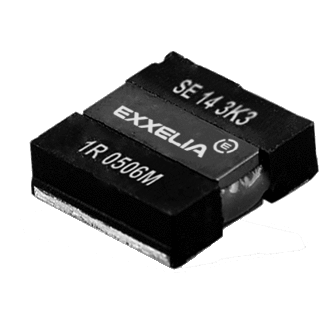
SESI Series (Low Profile Inductors):
These low-profile SMD inductors are qualified to ESCC 3201/009.
These low-profile SMD inductors are qualified to ESCC 3201/009.
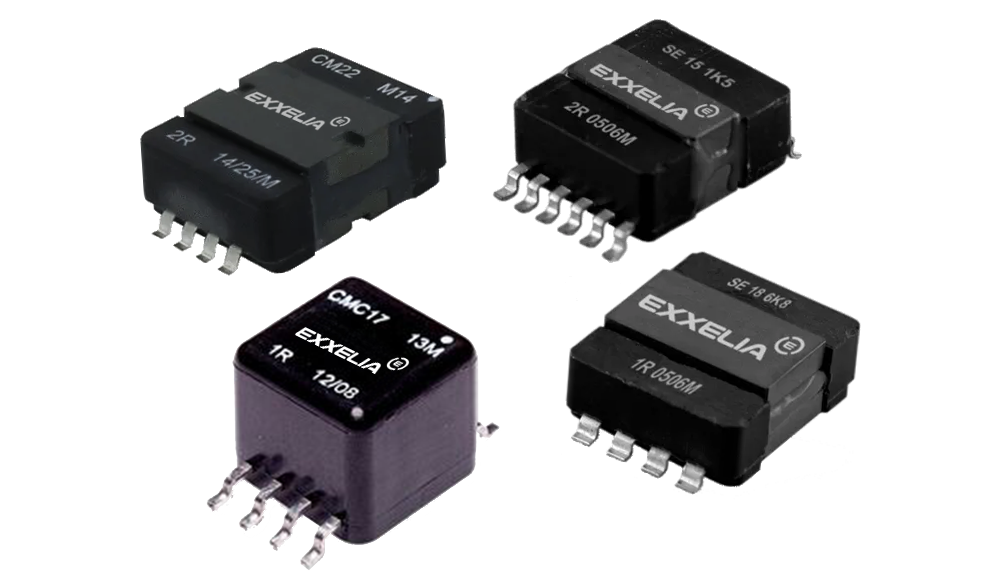
CMC Series (Common Mode Chokes):
These SMD common mode chokes are qualified to ESCC 3201/010.
These SMD common mode chokes are qualified to ESCC 3201/010.
Both the SESI and CMC series are compared against the requirements for MIL-STD-981 Families 4 & 37.
2. Qualification Testing: A Comparative Analysis
While both standards aim for
high reliability, their qualification and lot validation test flows contain key
differences.
2.1 Equivalent Test Philosophies
A significant portion of the
environmental and mechanical stress testing is equivalent or identical between
the two standards. This baseline alignment ensures components are robustly
vetted against common failure modes.
Equivalent
tests include:
ü
Visual Inspection (Precap): Visual inspection before encapsulation.
ü
Dimension Check: Verification of physical dimensions
against specifications.
ü
External
Visual Inspection:
Post-encapsulation inspection.
ü
Temperature Rise: Both standards employ the same testing
method.
ü
Resistance to Soldering Heat: Tested per MIL-STD-202 Method 210.
ü
Solderability: Tested per MIL-STD-202 Method 208.
ü
Terminal Strength: Tested per MIL-STD-202 Method 211.
2.2 Key Differences in Standard Test Flows
Burn-In and Operating Life
ü
Burn-In: ESCC qualification specifies a significantly longer
burn-in period of 168 hours. MIL-STD-981 requires 96
hours.
ü
Operating Life: Both standards mandate a 2000-hour life
test, typically per MIL-STD-202 Method 108. The MIL standard specifies this
as a cycled test (90 minutes ON, 30 minutes OFF).
Mechanical and Environmental
Stress
ü
Vibration (SESI/CMC): For low-profile inductors and chokes
(Families 4 & 37), the ESCC qualification is more stringent, testing at 30g. The comparable MIL requirement
is 20g.
ü
Mechanical Shock: For the SESI/CMC series, a 100g shock
test (per MIL-STD-202 Method 213) is part of the standard ESCC flow. For the MPCI (chip inductor)
series, this test is not applicable under the ESCC 3201/008 specification.
ü
Thermal Shock: Both standards utilize MIL-STD-202 Method
207, applying 25 cycles between -55°C and +125°C.
ü
Permanence of Marking: ESCC specifies testing according to ESCC
24800, while
MIL-STD-981 uses MIL-STD-202 Method 215.
2.3 Tests Specific to ESCC (Not in MIL-STD-981)
ESCC 3201 includes several environmental tests that are not part of the standard MIL-STD-981 qualification flow.
ü
Barometric Pressure (Dielectric at Low Pressure): MIL-STD-202 Method 105. This test verifies dielectric strength at a simulated
high altitude (e.g., 4.4 kPa), which is critical for launch
applications.
ü
Moisture Resistance: A 10-cycle test per MIL-STD-202 Method
106. This assesses component
reliability in high-humidity environments.
ü
Overload: The MIL standard requires an overload test of 1.5x
rated current for 5 minutes. The comparable ESCC test is
significantly longer, requiring 30 minutes at 1.5x rated current.
ü
Weight: This is a guaranteed parameter under ESCC but not a
formal test item.
2.4 Tests Specific to MIL-STD-981 (Not in ESCC Flow)
Conversely, the MIL-STD-981 flow includes tests not explicitly mirrored in the ESCC groups.
ü
Dielectric Low Voltage: The ESCC qualification includes a
dielectric test performed at 500V.

3. Bridging the Gap: Optional and On-Demand Testing
For programs requiring
adherence to MIL-STD-981, many tests not included in the standard ESCC flow can
be performed upon request. This allows for component procurement that meets
specific contractual or mission-assurance requirements without necessitating a
full, separate qualification.
The following MIL-STD tests
are commonly available as optional screenings or as part of a lot acceptance
flow:
ü
Radiography (X-Ray): Can be performed upon request.
ü
Destructive Physical Analysis (DPA): Can be performed upon request.
ü
Mechanical Shocks & Vibrations: For the MPCI series, these tests can be
added to align with MIL requirements.
ü
Partial Discharge: This test can be performed upon request.
ü
Induced Voltage: Can be subcontracted if required.

Both ESCC 3201 and MIL-STD-981 provide robust frameworks for qualifying high-reliability inductors. Neither standard is universally "superior"; they reflect different qualification philosophies.
For the design engineer, the choice is dictated by program requirements. By understanding the specific differences outlined above, engineers can confidently select qualified components and specify any additional testing needed to bridge the gap between the two standards, ensuring full compliance and mission success.a
- ESCC 3201 emphasizes a longer 168-hour burn-in and, in some cases (like SESI/CMC), a more stringent 30g vibration test.
- ESCC places a stronger emphasis on environmental factors not covered by MIL-STD-981, such as moisture resistance and dielectric strength at low pressure (barometric).
For the design engineer, the choice is dictated by program requirements. By understanding the specific differences outlined above, engineers can confidently select qualified components and specify any additional testing needed to bridge the gap between the two standards, ensuring full compliance and mission success.a

Discover our Micropen White Paper
At Exxelia Micropen, we integrate material science + design engineering + printed electronics and the result is Exxelia Micropen technology. This proprietary technology is utilized to design and manufacture the most precise and stable designs in the industry.
See our white paper
